
Developmental Milestones: The Second Year

The jump from baby to toddler in the second year of life can feel drastic. One minute, you have a tiny baby who needs you for everything, and then suddenly you have a determined little person walking around the house, pointing at everything, and expressing their wants and needs. They want to participate in everything happening around them and are quick to imitate household routines and adult behavior.
The second year of life is often when parents begin to notice a child’s powerful drive toward independence. In Montessori education, this stage is described as the birth of the will. One of the biggest shifts from babyhood to toddlerhood occurs when children move from simply responding to the world around them to acting with intention.
Maria Montessori observed that children during this period are driven by a deep desire to master their environment. Their movement becomes more purposeful, their communication clearer, and their curiosity about how things work expands rapidly. The second year of life is also guided by several sensitive periods, when children are especially drawn to developing certain abilities. Toddlers between 12 and 23 months are typically in strong sensitive periods for movement, language, order, and independence. These natural drives help guide their development and explain why young toddlers often repeat activities, insist on doing things themselves, and absorb language so quickly.
The developmental milestones of this stage offer helpful insight into the changes taking place within the child. In this post, we will explore the abilities that commonly emerge between 12 and 23 months, a stage defined by increasing movement and coordination, rapidly expanding language, and an emerging sense of independence and social awareness.
Developmental Milestones: 12 to 23 Months
Movement (Fine and Gross Motor)
During their second year of life, toddlers gain increasing mobility and coordination during the sensitive period for movement. Walking opens up their world to a whole new method of exploration. As they move independently through their environment, they can carry objects and interact with materials in new ways. Gross motor skills that advance during this stage include balance, coordination, and bodily control. Fine motor skills are also rapidly developing, and children between 12 and 23 months can use their hands with increasing coordination.
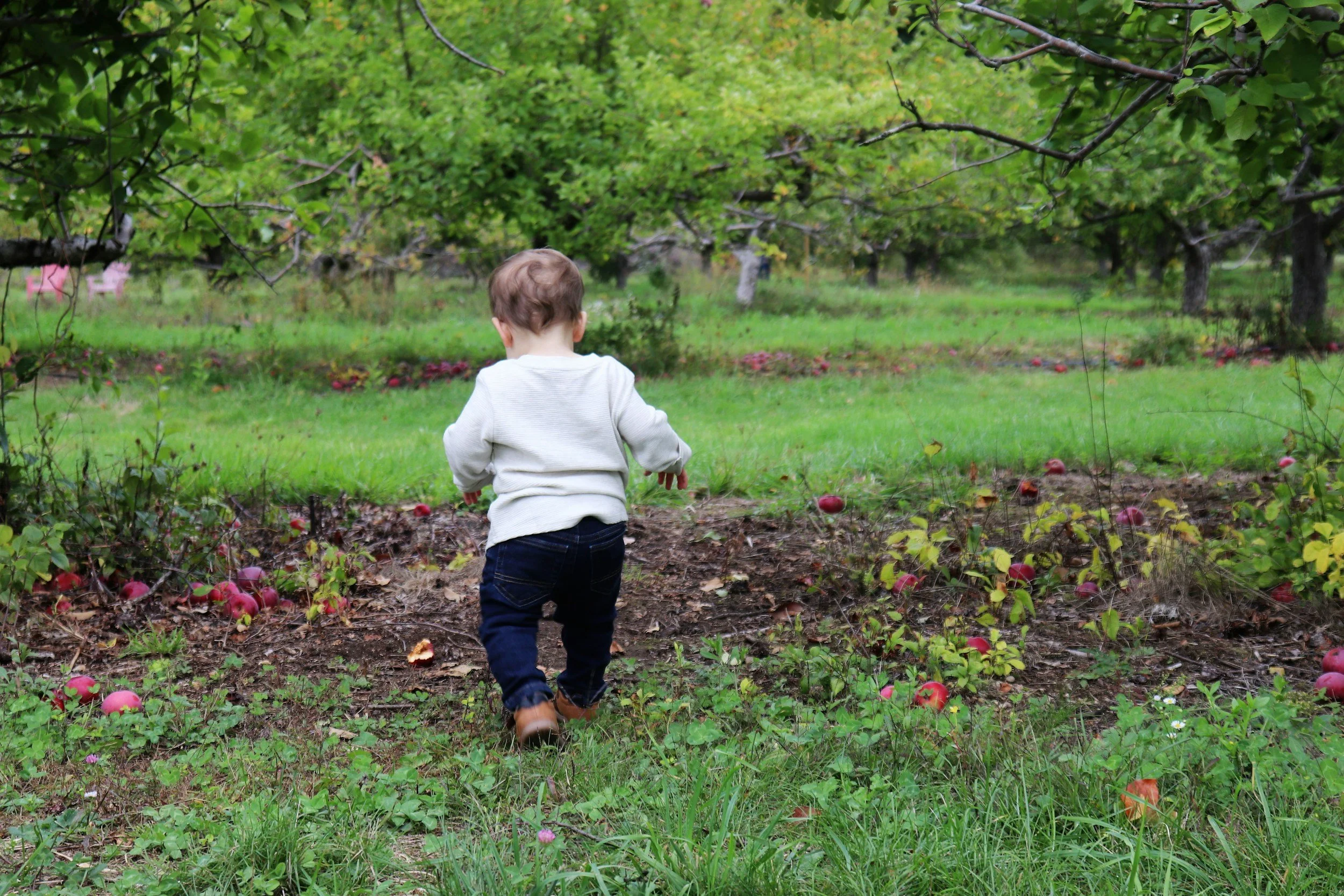
Common Movement Milestones (12-23 Months)
12–15 Months
Walks independently
Squats to pick up objects
Climbs onto low furniture
Begins pushing or pulling toys while walking
Uses hands to explore objects on purpose
15–18 Months
Walks steadily with improving balance
Begins attempting to run
Climbs stairs with help
Stacks two to three objects
Turns pages in board books
18–23 Months
Runs with increasing coordination
Climbs more confidently
Kicks a ball
Stack four or more objects (like blocks)
Begins scribbling with art supplies
Similar to younger infants, toddlers benefit from spaces that allow safe, independent movement and exploration. Things like child-sized furniture, low shelves, and simple materials encourage children to move and engage with their surroundings. Toddlers in this stage especially enjoy push toys like child-sized baby strollers or shopping carts. Movement is the foundation of learning, so don’t be surprised if your toddler moves quickly from one activity to another!
Language (Cognition in Communication, Receptive Language, Expressive Language)
For many children, language development really begins to take off during the second year. This is a sensitive period for language learning, and toddlers absorb all of their vocabulary from the language spoken around them. Even before they can speak many words (expressive language), they understand most words spoken to them (receptive language). By the end of the second year, they typically can follow simple instructions and begin to form two-word phrases.
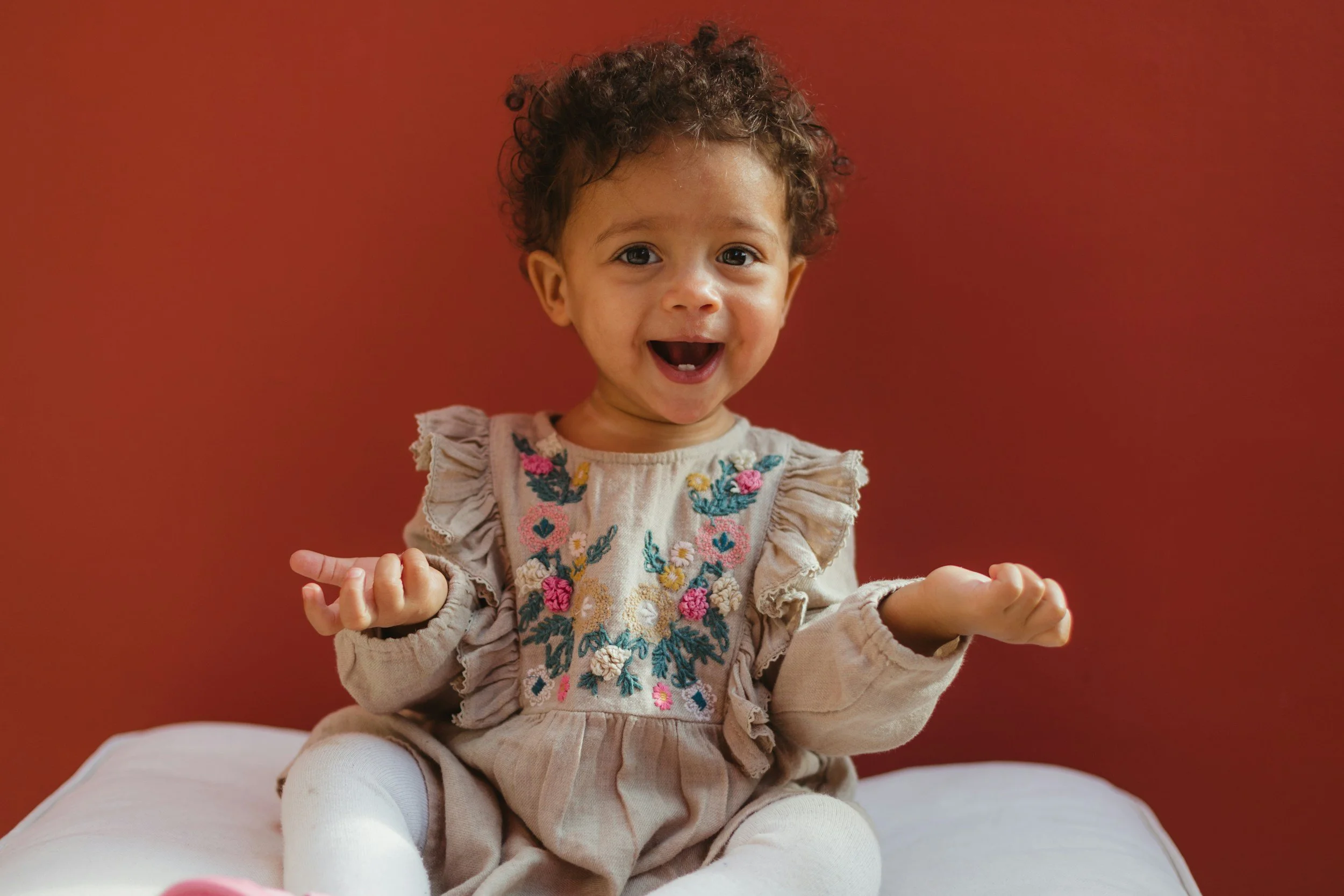
Common Language Milestones (12–23 Months)
12–15 Months
Understands simple words such as “cup,” “shoe,” or “ball”
Responds to their name consistently
Uses gestures like pointing or waving
Says a few recognizable words
15–18 Months
Points to familiar objects when named
Uses gestures combined with sounds or words
Begins imitating words heard in conversation
18–23 Months
Vocabulary may grow rapidly
Begins combining two words (such as “more milk” or “mommy up”)
Follows simple one-step directions
Identifies familiar objects in books or pictures
Talking with toddlers throughout the day is one of the most powerful ways to support language development. Simple conversations, reading books together, and responding to their attempts to communicate all help strengthen these early skills. It’s important to speak respectfully and directly to the child, and try to use rich vocabulary to help expose them to a variety of language. Children absorb the structure and rhythm of language naturally, so adults need to make sure they’re hearing plenty of rich language throughout the day.
Independence (Cognitive Skills and Adaptive Skills)
Toddlers are extremely eager to participate in everyday life. They might try to carry the laundry basket, grab a sponge when you wipe the table, or insist on holding their own spoon during meals. While they often don’t have the ability to accomplish tasks entirely alone, their motivation is strong. This desire for independence reflects the developing cognitive abilities of understanding routines, recognizing patterns in their daily life, and problem-solving by experimenting with potential solutions.
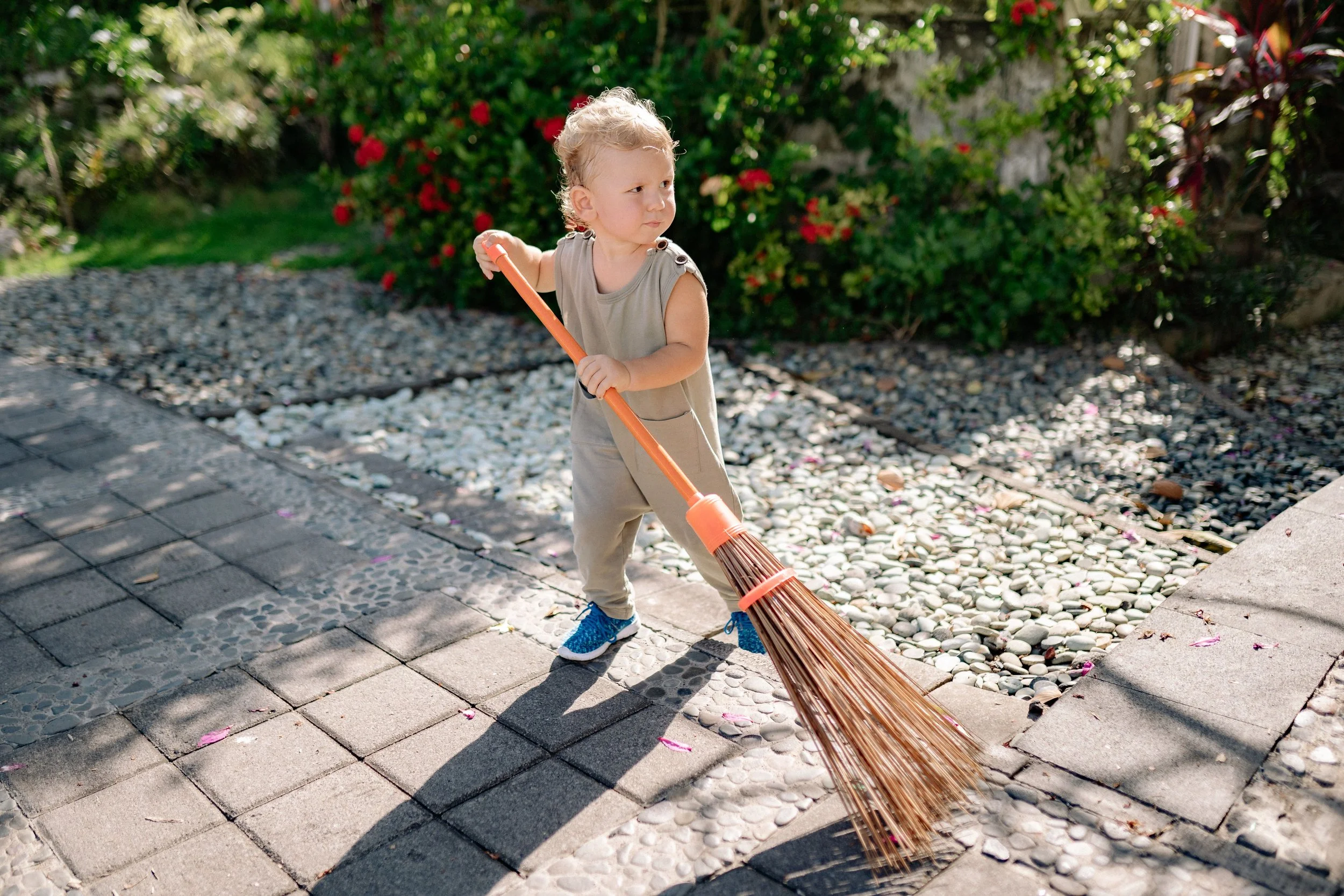
Signs of Growing Independence
Using utensils to try to feed themselves
Drinking from a cup
Cleaning small spills
Attempting to remove socks or shoes
Carrying objects
Imitating cleaning routines like wiping and sweeping
Helping (or attempting to help) with small household tasks
With this growing independence comes a strong desire to accomplish tasks on their own. The familiar toddler refrain of “I do!” perfectly reflects their determination to try things independently. While this stage can sometimes feel frustrating for caregivers, it is important to recognize this behavior as a sign of healthy development rather than defiance. One way to support this drive for independence is to offer child-sized tools, accessible cleaning materials, and predictable routines that include the whole family. It can also be helpful to allow extra time when planning tasks that a toddler may want to participate in or even attempt on their own.
Instead of doing everything for the child, try to support their efforts and, when possible, allow them to practice their new skills. The slow, ten-minute process of helping your toddler put on their own shoes before heading out the door may test your patience in the moment, but it can do wonders for their long-term confidence and self-discipline.
Social and Emotional Development
During the second year, toddlers remain deeply connected to their caregivers. While they begin showing curiosity about other people, they still prefer to regularly check in with their primary caregivers for comfort and reassurance. This stage is also a time when children are learning to express their feelings, respond to increasingly complex emotions, and begin interacting with other children.
Although children in their second year are often drawn to other kids, their play typically happens alongside rather than directly with them. This stage is known as parallel play and is a normal part of early social development.
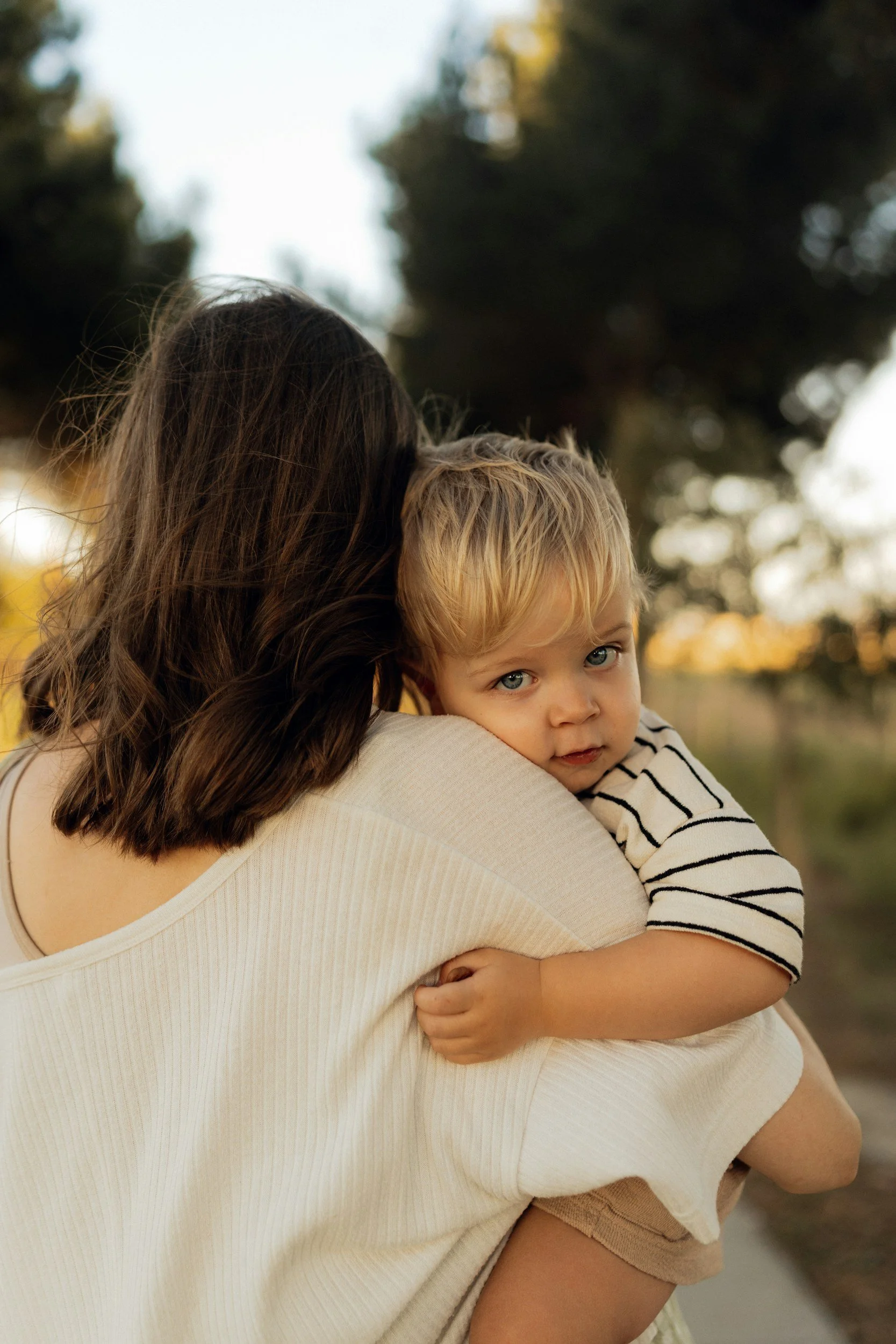
Common Social and Emotional Milestones
Shows affection toward familiar caregivers
Imitates the actions of adults and older children
Displays strong preferences for certain people or objects
Engages in parallel play near other children
Begins expressing emotions such as excitement, frustration, or joy
Seeks comfort from trusted adults when upset
The best way to support social and emotional development is to offer calm, predictable spaces where young children can feel safe to explore and interact with a caregiver nearby. In Montessori, this is called the prepared environment. Try creating a prepared environment in your own home by designating a calm, safe space with a few simple materials or child-sized objects that encourage exploration and participation in everyday life. The prepared environment extends to the child’s emotional and psychological environment, too. Children thrive when they know what to expect in their day-to-day routines, have clear limits, and can enjoy calm and loving interactions with consistent caregivers. This aids in their psychological security, which in turn supports their development.
During the toddler years, the drive to grow, explore, and understand the world becomes especially obvious. These developmental milestones reflect the child’s amazing inner process of self-construction. By observing and respecting this natural development, parents and caregivers can support the toddler’s growing independence while still providing the security and guidance children need during this stage.
In our next post, we will explore Montessori developmental milestones for children ages 2 to 3, a period when language, coordination, and concentration begin to flourish even more rapidly.
**A note on developmental timelines: It is important to remember that every child develops at their own pace. Milestones provide helpful guidance, but they are not strict deadlines. What matters most is observing the child’s overall growth and providing an environment that supports their natural curiosity.
