
The Power of Routine for Young Children
Children thrive on predictability and consistency. One important element of consistency, especially for young children, is a predictable daily routine. Routines give children a sense of control and help them to feel emotionally secure. In the same way that an ordered environment is essential for success in the Montessori classroom, an ordered day lays a foundation of peace and security for toddlers and preschoolers. Routines allow children to know what to expect and to independently initiate preparing themselves and their environment for what is coming next.
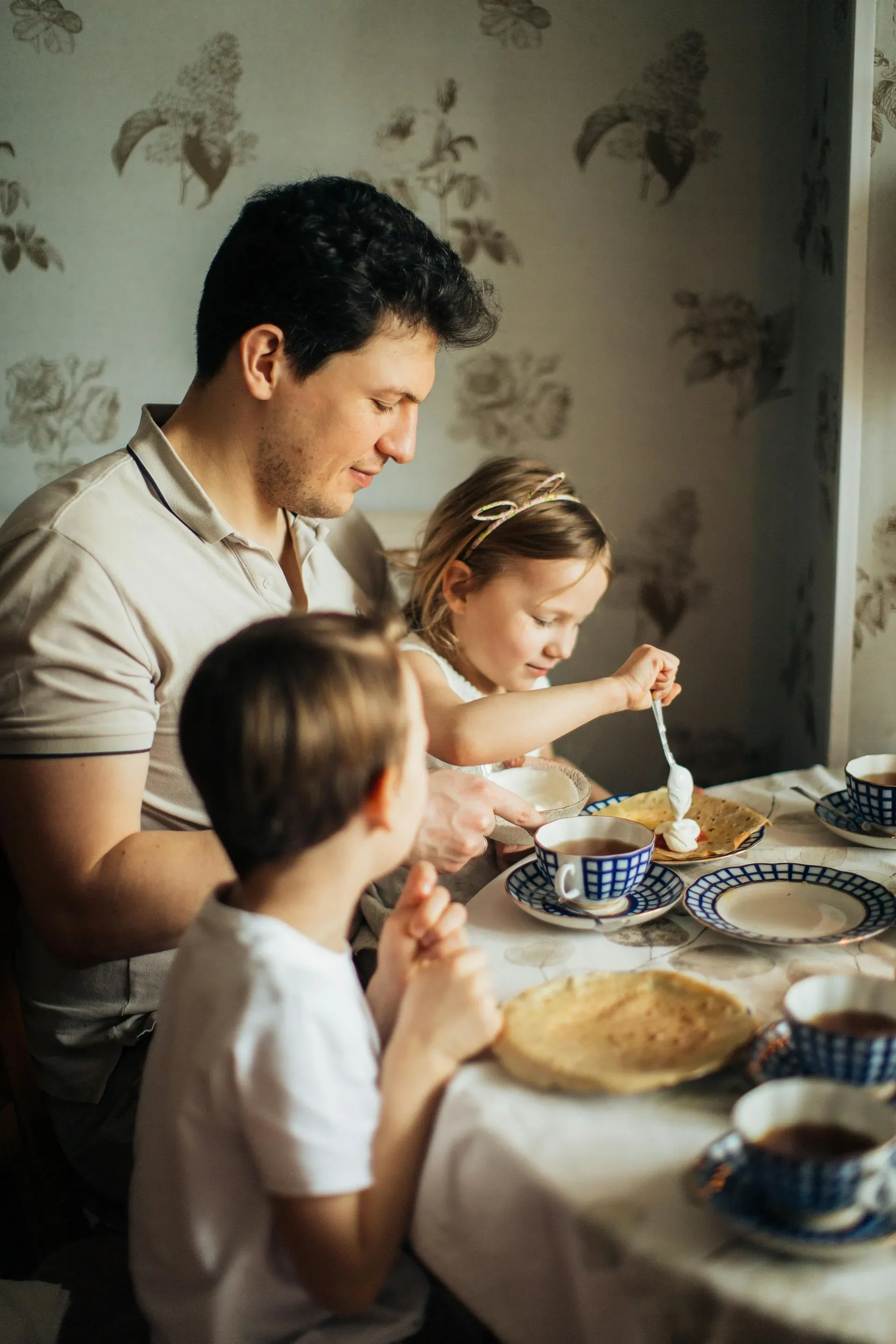
Beyond increasing security and independence for young children, there is also substantial research supporting the idea that routines benefit the whole family. In fact, structured family routines in early childhood are associated with fewer temper tantrums and emotional outbursts. Also, children with predictable daily routines show better emotional regulation skills, suggesting that they are better able to handle frustration. Predictable family routines also lead to a greater ability for children to follow directions and cooperate with instructions, which in turn reduces parent stress and increases family harmony. Transitioning from one activity to the next can be highly challenging for little ones. Helping them know what to expect by doing things at similar times each day can reduce the difficulty and emotional strain for both parents and kiddos. When life feels predictable, children are better prepared to cooperate and are less likely to become overwhelmed with big feelings.
Shifting Into Summer with a Flexible Routine
Routine is a form of security for young children, especially children in the toddler and preschool years. During the school year, routines can easily be built around the typical daily schedule–waking up, getting dressed, mealtimes, outdoor time, and rest are naturally part of the regular rhythm. But when school is out for the summer, the sudden shift in rhythm can be confusing. Summer doesn’t need to have a rigid schedule, but some predictability can help everyone thrive. Here are a few of our favorite tips for creating a successful summer routine:
Start with the Anchors: Choose a few consistent things that will remain the same each day regardless of what is going on. For example, aim to keep the same wake time, breakfast, quiet time, dinner, and bed time each day. These anchors become predictable areas that the rest of the day can flex around.
Aim for Balance: A balanced routine includes time for focused play, exploring the outdoors, quiet time, and rest. Especially for children in Montessori school, summer can seem to be missing the element of meaningful work. By including focused play time as part of your daily routine, children can deeply engage with play as their work. You can also consider scheduling in time for children to help with daily tasks, such as folding laundry, weeding the garden, setting the table, and preparing meals.
Offer a Visual Schedule: Try printing or drawing a simple image-based schedule for your child to see each day, and post it where the whole family can see. Include images such as waking up, getting dressed, playing outside, and eating meals to help young children follow along independently.
Prioritize Rest. While summer brings longer days and brighter nights, children’s sleep needs do not change with the season. Prioritize rest in your child’s routine and make an effort to stick to a consistent bedtime. The beauty of consistency is that it creates room for flexibility. A late night here or there will not change the overall benefit of the regular bedtime routine for your child.
A predictable and consistent environment, including a daily routine, enables children to be more confident, cooperative, and independent. A thoughtfully designed daily routine doesn’t have to restrict your days, but instead frees you to be present. Your daily routine should feel natural and supportive for your unique family needs. By planning and implementing some structure during breaks from school, you can give your child the gift of stability, comfort, and independence that will last far beyond the long summer days.
